How to Organize a Small Family Home Without Feeling Overwhelmed
Disclosure: This post may contain affiliate links. If you make a purchase through one of these links, we may earn a small commission at no extra cost to you.
If you live in a small home with young children, you know it can often feel like you’re losing the battle against clutter. Toys migrate into every room, benchtops never seem to stay clear, and no matter how often you tidy, the mess always seems to come back.
That feeling of overwhelm doesn’t mean you’re bad at organizing — it usually means your home is working against you.
Small family homes come with real constraints: limited storage, shared spaces, and very little downtime to “reset” everything. Most organization advice isn’t designed for that reality. It assumes extra rooms, endless energy, or systems that require constant maintenance — none of which are realistic when you’re juggling daily life with young kids.
Here, the focus is on helping families with young children organize small homes in realistic, livable ways. That means prioritizing function over perfection, choosing systems that are easy to maintain, and letting go of the idea that your home needs to look Pinterest perfect to be organized.
You don’t need to overhaul your entire house or buy more storage to get started. What matters most is doing things in the right order — and focusing on changes that actually make daily life easier.
Why Organizing a Small Family Home Feels So Overwhelming
Organizing a small family home is challenging for reasons that often have nothing to do with effort or motivation.
First, small homes simply have less margin for error. When storage is limited, everyday items tend to live out in the open. That means clutter builds up quickly, even when you’re tidying regularly.
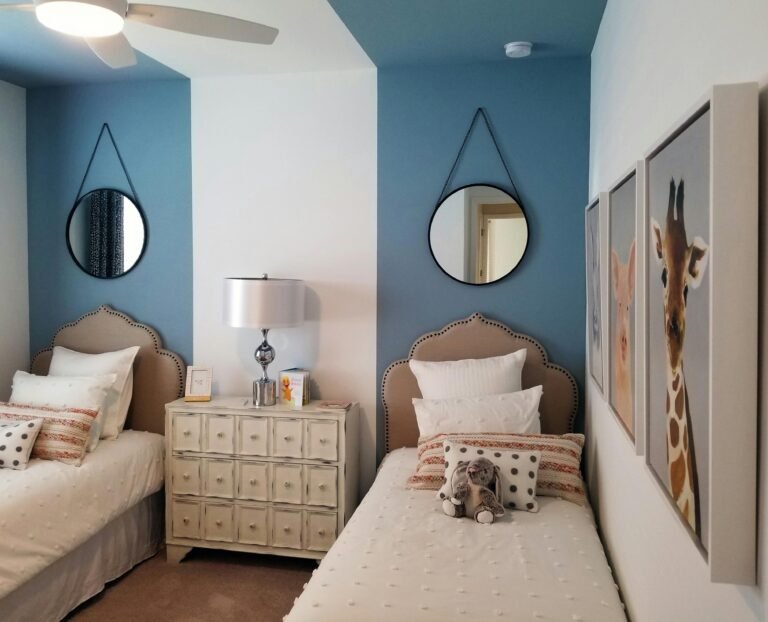
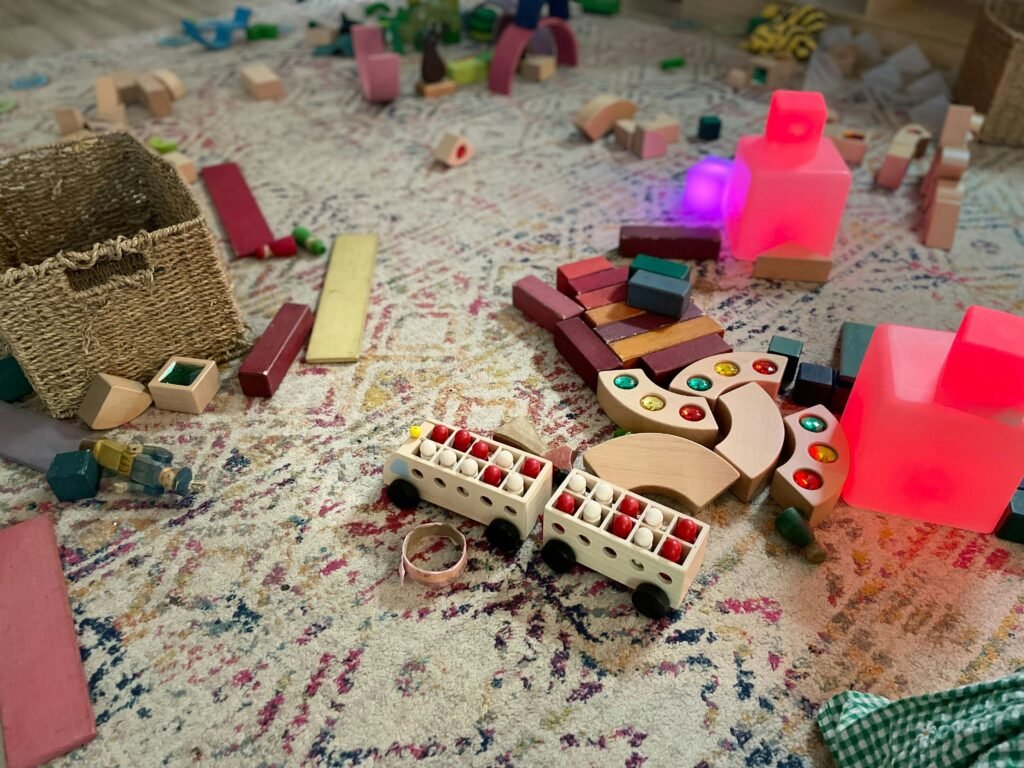
Second, children’s belongings don’t stay contained. Toys, books, shoes, and art supplies naturally spill into shared spaces, especially when bedrooms are small or shared. What starts as a few items on the floor can quickly feel like chaos across the entire house.
And finally, most parents are trying to organize in short bursts of time, often while tired. When you’re exhausted, it’s hard to make thoughtful decisions about what stays, what goes, and how things should be stored — which leads to half-finished systems that don’t last.
Understanding these challenges matters, because it shifts the goal. Instead of trying to create a perfectly organized home, the aim becomes creating a home that functions well for your family, even on busy or messy days.
A Realistic Way to Think About Home Organization With Kids
One of the biggest mindset shifts that helped me with living in a small family home is letting go of the idea that organization is a one-time project.
With young children, organization is maintenance. Things will move. Mess will return. Systems will need adjusting as kids grow and routines change. That doesn’t mean your systems are failing — it means they’re being used.
Another helpful shift is redefining what “organized” actually means. An organized home isn’t one that stays perfectly tidy all day. It’s one where:
- Everything has a place (even if it’s not always there)
- Tidying doesn’t require major effort
- Daily life feels easier, not more controlled
In a small home, simple systems almost always work better than complicated ones. Fewer steps. Fewer rules. Less pressure to “keep up.” The goal is progress, not perfection.
The Right Order to Organize a Small Home With Kids
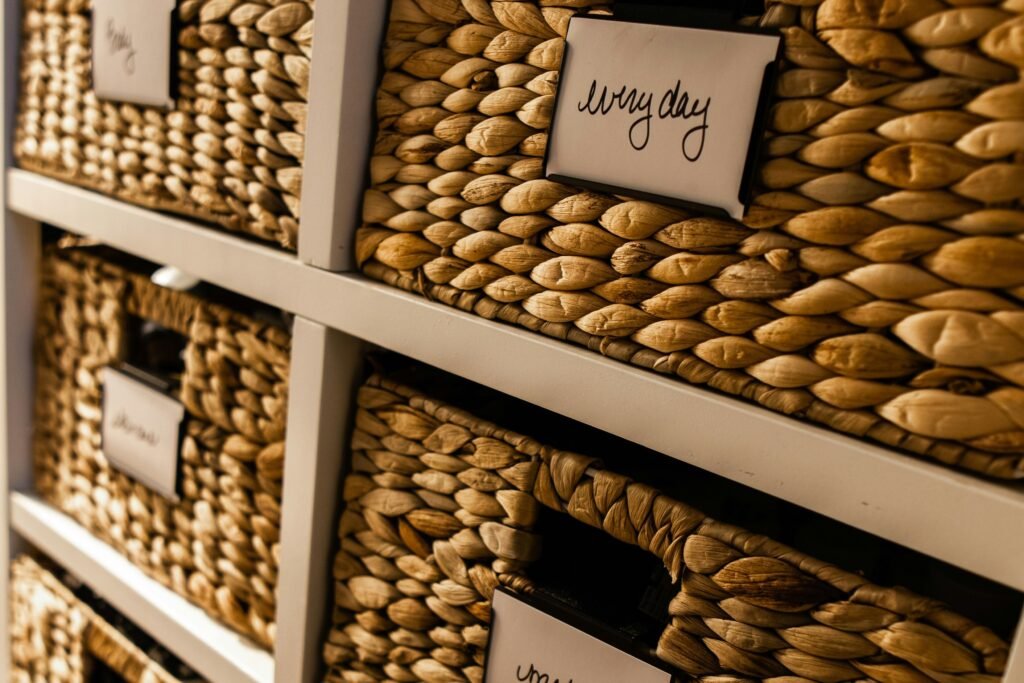
If you’ve tried organizing before and felt overwhelmed, it’s often because the steps were out of order. In a small home, sequence matters.
Step 1: Declutter Before You Reorganize (Even If You Can Only Do a Little)
Organizing clutter doesn’t work — it just moves the problem around and keeps you overwhelmed.
Before you buy storage or rearrange shelves, start by removing what you no longer need. This doesn’t have to be an all-day project. Even removing a few obvious double ups or items you don’t use can make a noticeable difference.
Focus on:
- Toys your children no longer use
- Kitchen items you rarely reach for (bonus points for bulky items)
- Random items without a clear home
Small wins add up, and decluttering a small family home first makes every organizing step that follows easier.
Step 2: Organize One High-Impact Area First
Trying to organize your entire home at once is a fast way to burn out.
Instead, choose one area that affects your daily life the most. For many families, that’s:
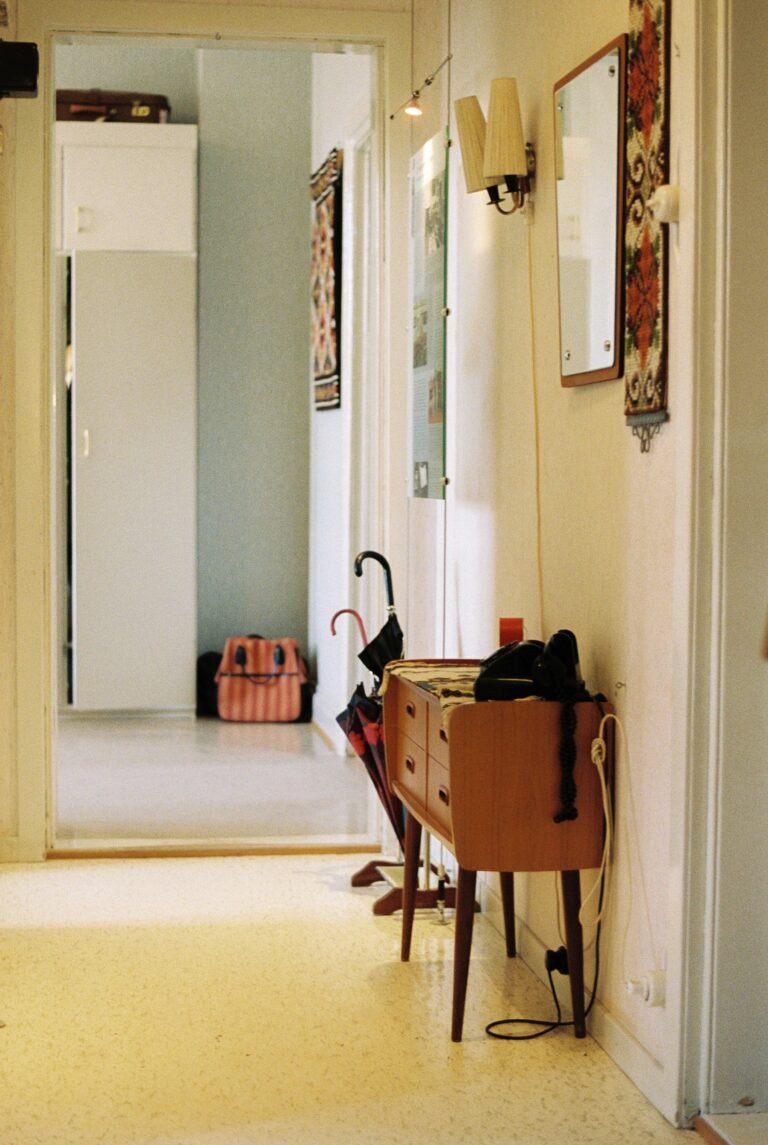
- The entryway
- The kitchen counter
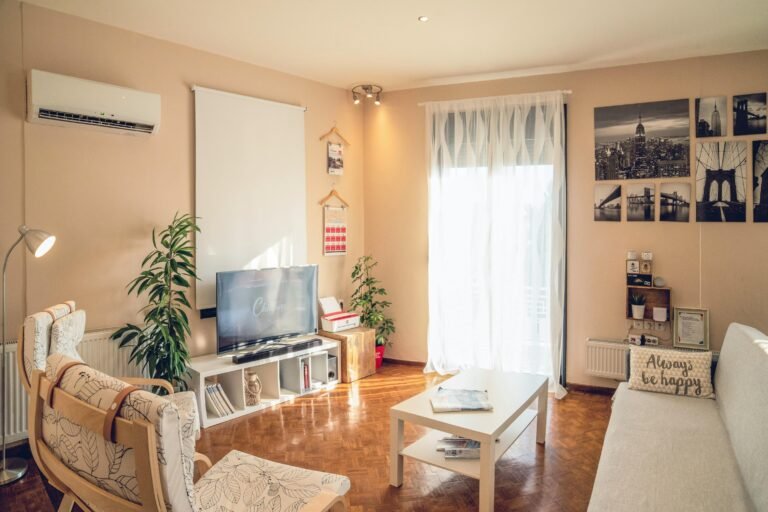
- The living room floor
Improving one high-impact space creates immediate relief and motivation to keep going.
Step 3: Create Simple Zones, Not Perfect Systems
Zones are easier to maintain than detailed systems.
Think in broad categories:
- A toy zone
- A drop zone for bags and shoes
- An everyday essentials zone
Zones don’t require constant sorting. They give items a general home, which is often enough in a busy family household.
Step 4: Choose Storage That Fits a Small Home
Storage should support your space — not overwhelm it.
In small homes, the most effective storage solutions are:
- Easy to access
- Easy to put things back into
- Sized appropriately for the space
Avoid storage that requires too much rearranging or only looks neat when perfectly maintained. If it’s hard to use, it won’t last.
Storage Principles That Actually Work in Small Family Homes
A few simple principles can make storage far more effective in small spaces.
Larger containers often work better than lots of small ones. They’re quicker to tidy and more forgiving on busy days.
Open storage works well for frequently used items, especially for children who need to access things independently. Closed storage can help visually calm shared spaces, particularly living areas.
Most importantly, storage should match real habits — not ideal ones. If toys always end up in the living room, create storage there instead of fighting it.
How to Keep a Small Family Home Organized Long-Term
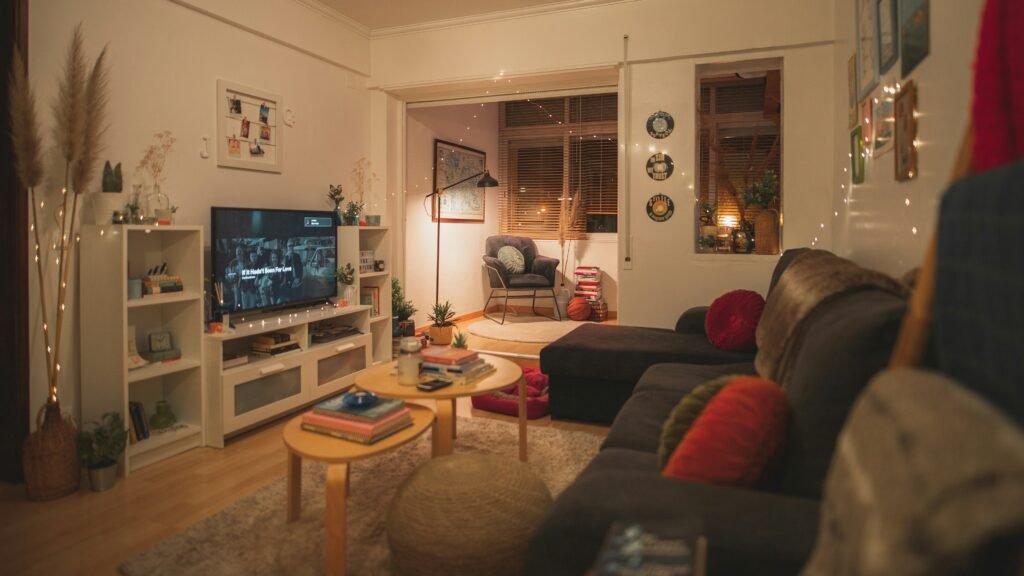
Long-term organization doesn’t come from motivation — it comes from routines.
A short daily reset, even five or ten minutes, can prevent clutter from piling up. This might mean clearing the main surface areas or returning items to their zones.
A weekly reset helps catch anything that’s drifting. And a monthly check-in is a good time to notice what’s no longer working and adjust.
Consistency matters far more than intensity. Small, regular habits are what help with maintaining organization in a small family home.
Common Small Home Organization Mistakes Families Make
One common mistake is buying storage before decluttering. This often adds more visual clutter without solving the underlying problem.
Another is copying systems designed for larger homes. What works in a spacious house often doesn’t translate well to smaller spaces.
Finally, many families expect children to maintain adult-level organization. Systems should be designed for the lowest level of effort, especially if you want kids to use them.
Where to Start If You’re Already Feeling Overwhelmed
If this all feels like too much, start small.
Choose one space. Remove what doesn’t belong. Add only the storage you actually need. Then stop for the day.
Progress doesn’t require doing everything at once. Even small improvements can make daily life feel noticeably easier.
Final Thoughts
Organizing a small family home isn’t about control or perfection. It’s about creating systems that support your family as it is right now.
With the right mindset, the right order, and realistic expectations, small homes can feel functional, calm, and livable — even with young children.
You’re not behind and you’re not failing. You’re just working within real constraints, and that’s something organization should help with, not fight against.