Living Room Organization for Small Family Homes
Disclosure: This post may contain affiliate links. If you make a purchase through one of these links, we may earn a small commission at no extra cost to you.
The living room is usually the hardest room to keep organized in a small family home.
It’s where everyone gathers, where toys are played with, where laundry gets folded (or abandoned), where snacks happen, and where you’re most likely to collapse at the end of the day. When space is limited, the living room often has to do far more than it was designed for.
You’re not alone if your living room never quite feels “under control.” . In my experience, it’s because shared spaces are naturally harder to manage with young children.
This post focuses on living room organization that works in real family homes, without trying to turn the space into something it isn’t.
Why the Living Room Feels So Hard to Keep Tidy
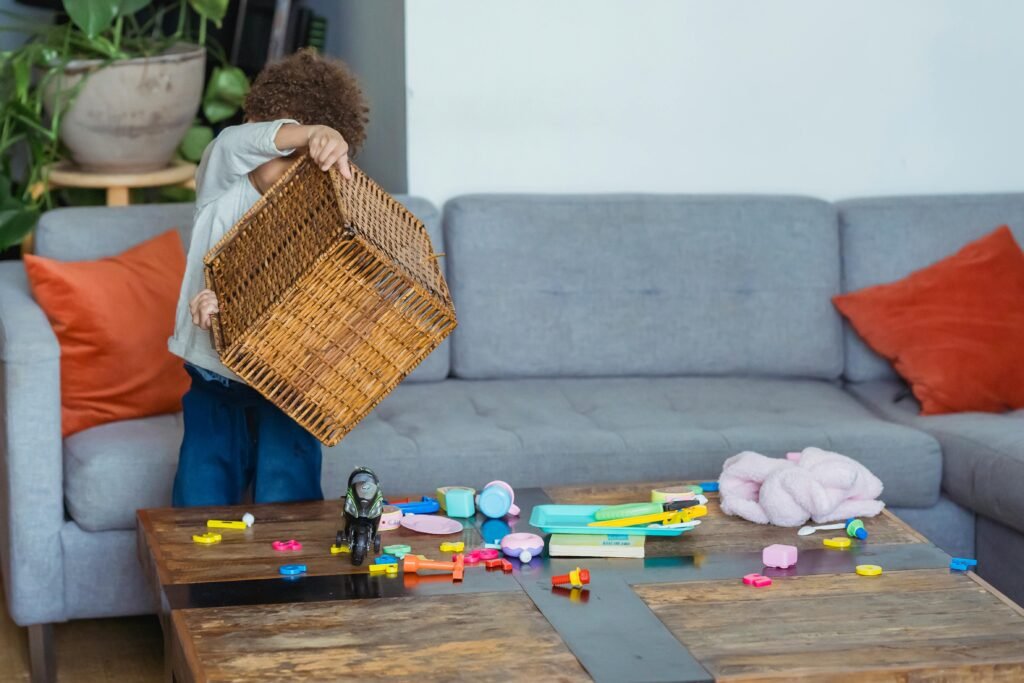
In small homes, the living room usually carries the biggest load.
It’s often:
- A play space
- A relaxation space
- A storage space
- Sometimes even a work or dining space
That means clutter builds up quickly, and it tends to be visible all the time. Unlike bedrooms or spare rooms, there’s nowhere to close the door on the mess.
Our goal with living room organization isn’t to keep it tidy all day, just to contain clutter and make resets easier.
Decide What Actually Belongs in the Living Room
One of the most helpful steps is deciding what should live in the living room, and what doesn’t need to.
Common living room items that usually make sense:
- A small selection of toys
- Books or puzzles
- Blankets
- Everyday tech (remote controls, chargers)
Items that often don’t need to stay there:
- Overflow toys
- Paperwork
- Random household items with no clear home
Being selective about what belongs in the living room makes every storage decision simpler.
Contain Toys Without Turning It Into a Playroom
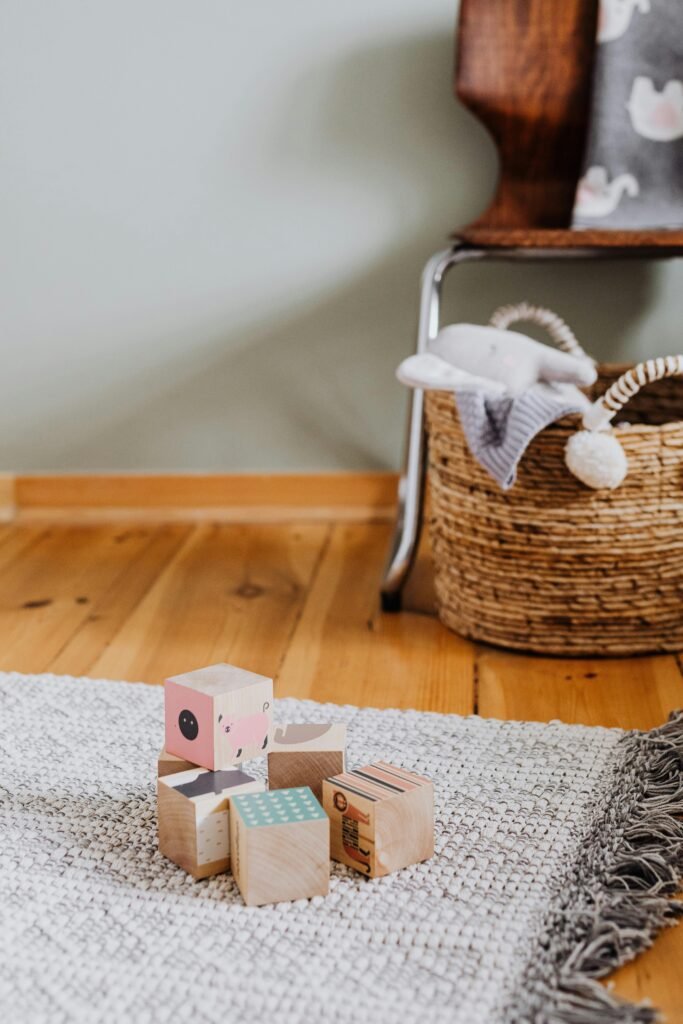
In small family homes, it’s completely normal for some toys to live in the living room. The key is keeping them contained, not hidden perfectly.
Simple solutions that work well:
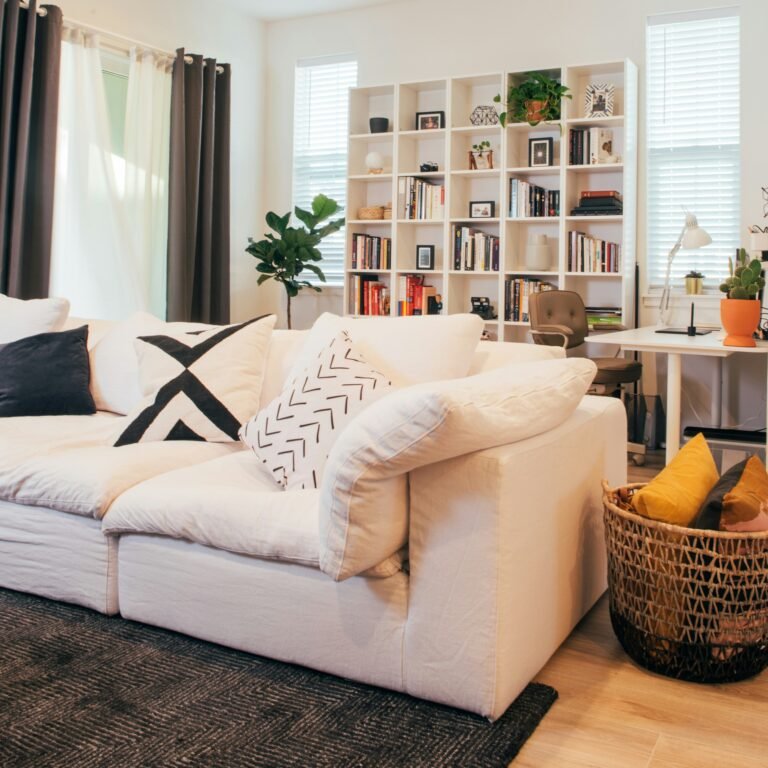
- A few large baskets instead of many small ones
- One low shelf rather than multiple storage units
- Storage that blends with existing furniture
If toys are easy to put away, they’re more likely to stay contained. Trying to keep toys completely out of the living room often leads to them spreading everywhere instead.
If toy clutter feels like the main issue, revisiting toy storage ideas for small family homes can help refine what stays in shared spaces.
Use Furniture That Pulls Double Duty
In small living rooms, furniture often needs to do more than one job.
Storage-friendly options include:
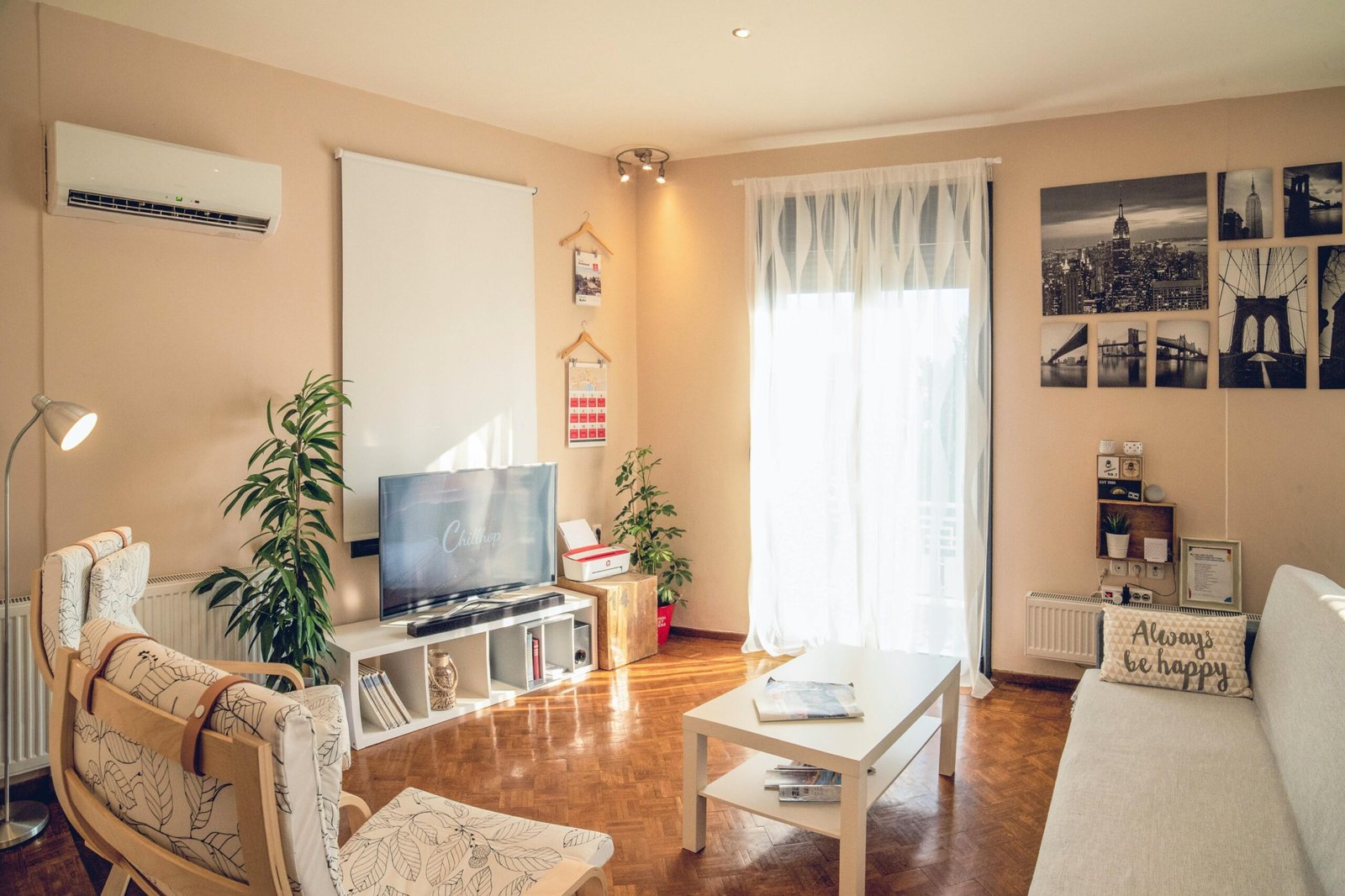
- Coffee tables with shelves or drawers
- TV units with closed storage
- Sideboards that hold both media and household items
These pieces help reduce the need for extra storage furniture, which can make a small room feel crowded.
It’s usually better to have a few well-chosen storage pieces than lots of smaller ones competing for space.
Keep Surfaces Clear Enough to Function
Completely clear surfaces aren’t realistic in a busy family home, but they don’t need to be constantly cluttered either.
A helpful approach is to choose:
- One surface that’s allowed to collect items temporarily
- One surface that stays mostly clear
This creates balance without pressure. Clearing just one surface can make the whole room feel calmer, even if the rest isn’t perfect.
Create a Simple End-of-Day Reset
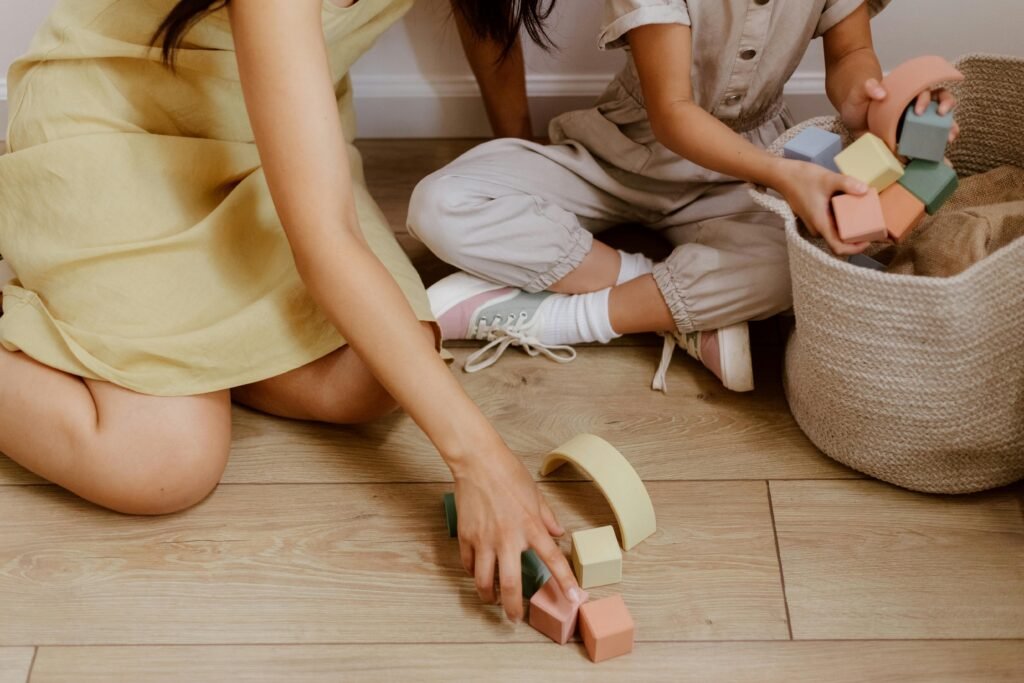
Living rooms benefit more from resets than constant tidying.
An end-of-day reset might involve:
- 5–10 minutes
- One basket for toys
- A quick return of items to their place
We’re aiming to prevent clutter from carrying over endlessly to the next day. But please don’t treat this as a need for a perfectly tidy living room at the end of each day. If a quick 3 minute reset helps you feel calmer in your space, your job is done.
This idea connects closely to keeping a small family home organized with minimal daily effort. Small resets add up over time.
Let Go of How Living Rooms “Should” Look
Many living room organization ideas online assume:
- Plenty of space
- Separate playrooms
- Minimal daily use
That’s not real life for most families in small homes.
A functional living room:
- Shows signs of being lived in
- Supports daily routines
- Can be reset without stress
It doesn’t need to look styled to work well.
When the Living Room Still Feels Overwhelming
If the living room feels cluttered no matter what you try, it’s often a sign that:
- Too many items are living there
- Storage is too complicated
- Or clutter is coming from other rooms
Sometimes the most helpful step isn’t reorganizing again, but stepping back to decluttering a small home with kids so shared spaces aren’t carrying everything at once.
Final Thoughts
Living room organization is about creating a space that supports daily life without constant effort.
When toys are contained, surfaces are usable, and resets are manageable, the living room becomes more enjoyable to live in, even on the messiest days.
Small, realistic changes tend to last much longer than elaborate systems.