How to Keep a Small Family Home Organized With Minimal Daily Effort
Disclosure: This post may contain affiliate links. If you make a purchase through one of these links, we may earn a small commission at no extra cost to you.
Organizing a small family home is one thing. Keeping it organized is another.
Many families manage a big declutter or reset, only to feel like everything slowly unravels again within days. Toys spread back into shared spaces, surfaces fill up, and the effort it took to “get organized” starts to feel wasted.
The issue usually isn’t a lack of discipline or motivation. It’s that most organization systems are built for homes with more space, more time, or more energy than most families actually have.
In a small home with young children, organization has to be easy to maintain, not just nice to look at. This guide focuses on how to keep things functioning day to day, with minimal effort and realistic expectations.
Why Organization Falls Apart in Small Family Homes
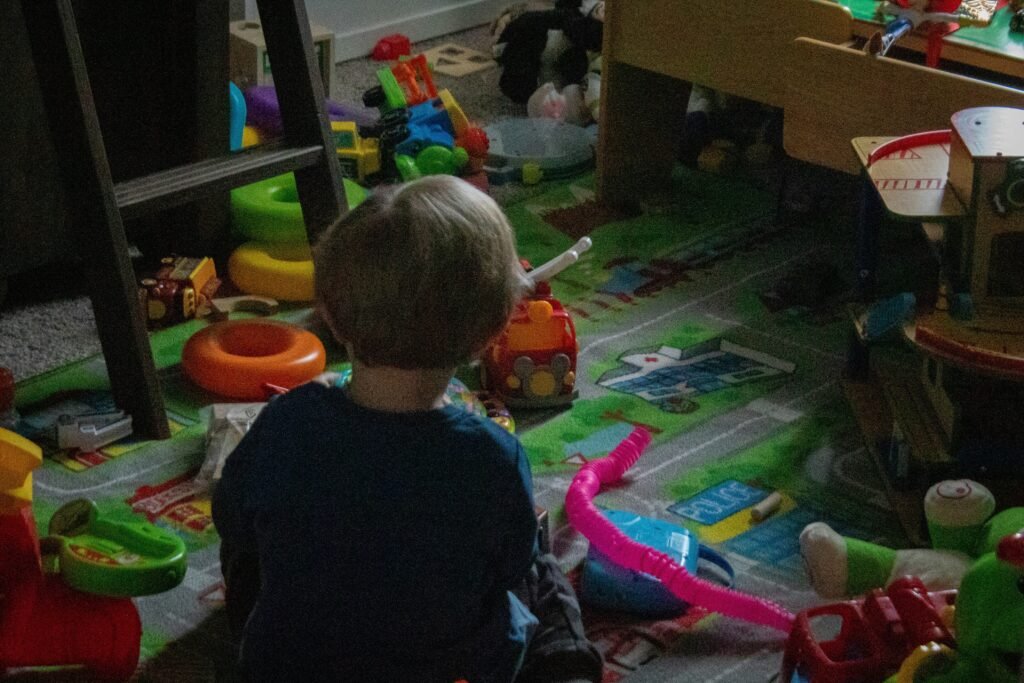
Small homes amplify everything. When space is limited, even small amounts of clutter are more visible, and mess tends to spread quickly into shared areas.
Add young children into the mix, and the pace of daily life makes constant upkeep unrealistic. Items are being used all day long, routines shift, and energy levels fluctuate.
Another common reason organization falls apart is that systems often require too many steps. In my experience, if putting something away takes thought, rearranging, or perfect placement, it won’t last. It also makes it a lot harder for everyone in the household to be on the same page about keeping things organized.
The problem is often not that you aren’t an organized person, but that the systems you’re trying to use don’t suit your current phase of life.
The Difference Between Tidying and Maintaining
One helpful change is thinking about the difference between tidying and maintenance.
Tidying is cosmetic. It’s about making a space look neat in the moment. Maintenance is structural. It’s about keeping systems functional so tidying doesn’t feel like a major task.
In a small family home, maintenance matters more than tidying. When systems are easy to maintain, the home naturally stays more manageable — even if it’s not perfectly tidy all the time.
The goal isn’t to have the house perfectly tidy every day. It’s to prevent things from piling up to the point where a full reset feels necessary.
The Daily Habits That Make the Biggest Difference
Keeping a small home organized doesn’t require hours of effort. A few small habits, done consistently, are usually enough.
Focus on Shared Surfaces
I find that clearing shared surfaces like the kitchen benchtop, dining table, or main living area has the biggest impact. When these areas are mostly clear, the whole home feels calmer.
This doesn’t mean everything needs to be put away perfectly, but removing the visual clutter that builds up during the day in these places has a big pay off.
Return Items to Their Zones
Zones make maintenance easier. When items have a general home, putting them away doesn’t require decision-making.
Returning items to their zones: toys to the toy area, bags to the drop zone, dishes to the kitchen, is often enough to keep things from spreading throughout the house.
Let Some Mess Go
Not everything needs to be dealt with immediately. Allowing some mess to exist temporarily reduces pressure and makes maintenance feel more sustainable.
Choosing what not to tidy is just as important as choosing what to reset.
Daily Reset vs Weekly Reset: What Actually Works
In a small family home, short daily resets are more effective than infrequent deep cleans.
A daily reset might take five or ten minutes and focus only on:
- Shared surfaces
- Obvious clutter
- Items that have drifted out of place
A weekly reset can be slightly more thorough, but it still doesn’t need to be a full overhaul. Think of it as a gentle check-in rather than a major task.
Rigid schedules often backfire. Flexibility matters more than consistency.
Systems That Make Maintenance Easier
Some systems naturally support maintenance better than others, especially in small spaces.
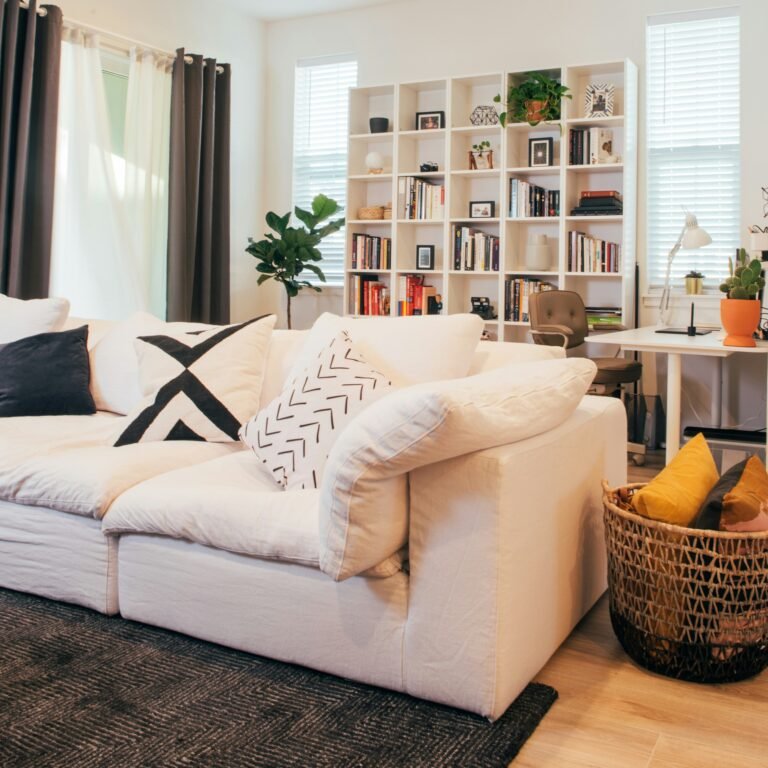
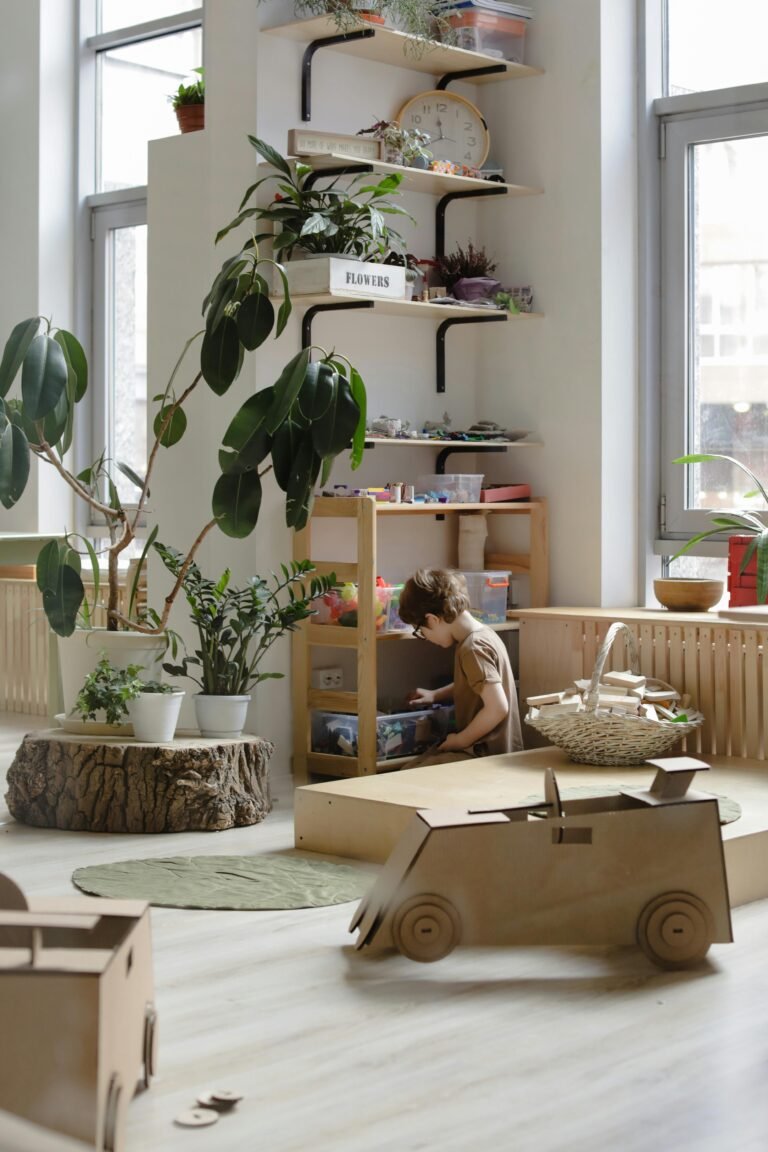
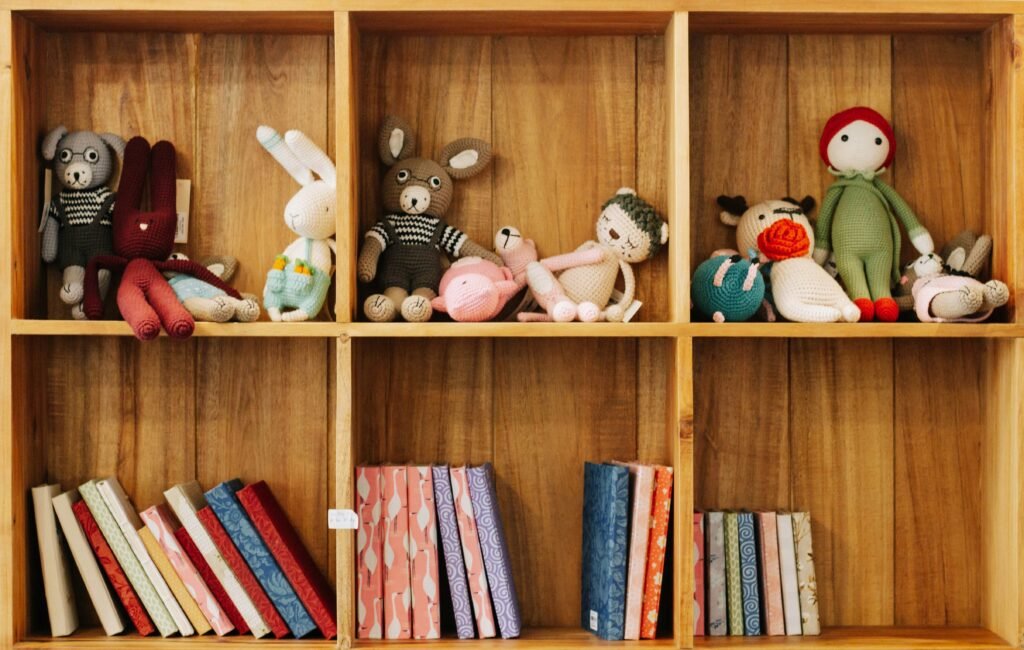
Open storage works well for frequently used items, particularly for children. When storage is visible and accessible, items are more likely to be put away.
Fewer containers are usually easier to maintain than many small ones. Larger bins or baskets allow for quick resets without perfect sorting and make it much easier and less stressful to involve toddlers in the rest to teach them about cleaning up their things without the pressure of them putting them away in the wrong place. This gives you a helping hand and gives them a sense of importance and accomplishment.
Keeping storage close to where items are used also reduces friction. When putting something away feels effortless, it’s more likely to happen.
If you’re still in the process of building systems, this is where organizing a small family home thoughtfully makes a long-term difference.
What to Stop Expecting From Yourself (and Your Home)
One of the biggest obstacles to maintaining organization is unrealistic expectations.
Children aren’t capable of adult-level organization, especially when they’re young. Systems need to meet them where they are.
Homes with children won’t stay “done.” Organization is ongoing, and that’s normal. You’re not doing anything wrong just because it feels constant. It is. Your job is to make that constant task as easy for yourself as you can, not to eliminate it.
And finally, energy levels vary. Some days will be easier than others. Systems should work even on low-energy days — those are the days that matter most.
When Maintenance Feels Too Hard
There will be times when even simple habits feel like too much: busy event seasons, sickness in the household, sleepless nights. When that happens, give yourself grace and lower the bar.
Choose one small space to reset. Clear one surface. Return a handful of items to their zones. Then stop.
Maintenance doesn’t have to be all-or-nothing. Partial progress still counts. Our household motto is “progress not perfection.”
If clutter is consistently overwhelming, revisiting decluttering a small home with kids can help lighten the load and make maintenance easier again.
Final Thoughts
Keeping a small family home organized isn’t about doing more. It’s about making systems work harder so you don’t have to.
When organization supports your routines, your energy, and your family’s needs, maintenance becomes lighter and more manageable. The home doesn’t need to be perfect, it needs to function.
Small homes can feel calm, livable, and supportive, even with young children. Ease comes from alignment, not effort.